
scroll
EVera Recruitment Information Pack for LiNa Energy
About LiNa Energy
LiNa Energy is a UK-based battery technology company developing low‑cost, solid‑state sodium battery systems designed to accelerate the global transition to clean energy. Its technology is engineered to deliver sustainable, safe and affordable energy storage without the need for lithium or cobalt, using abundant materials such as sodium and iron.
Founded in 2017 as a spin‑out from Lancaster University, LiNa Energy has grown from a university project into a science and engineering‑led business with a leadership team combining commercial, product development and energy sector experience.
Technology & Innovation: The LiNa Solid‑State Sodium Battery
At the core of LiNa’s mission is its breakthrough solid‑state sodium battery platform, which offers a fundamentally different approach to energy storage:
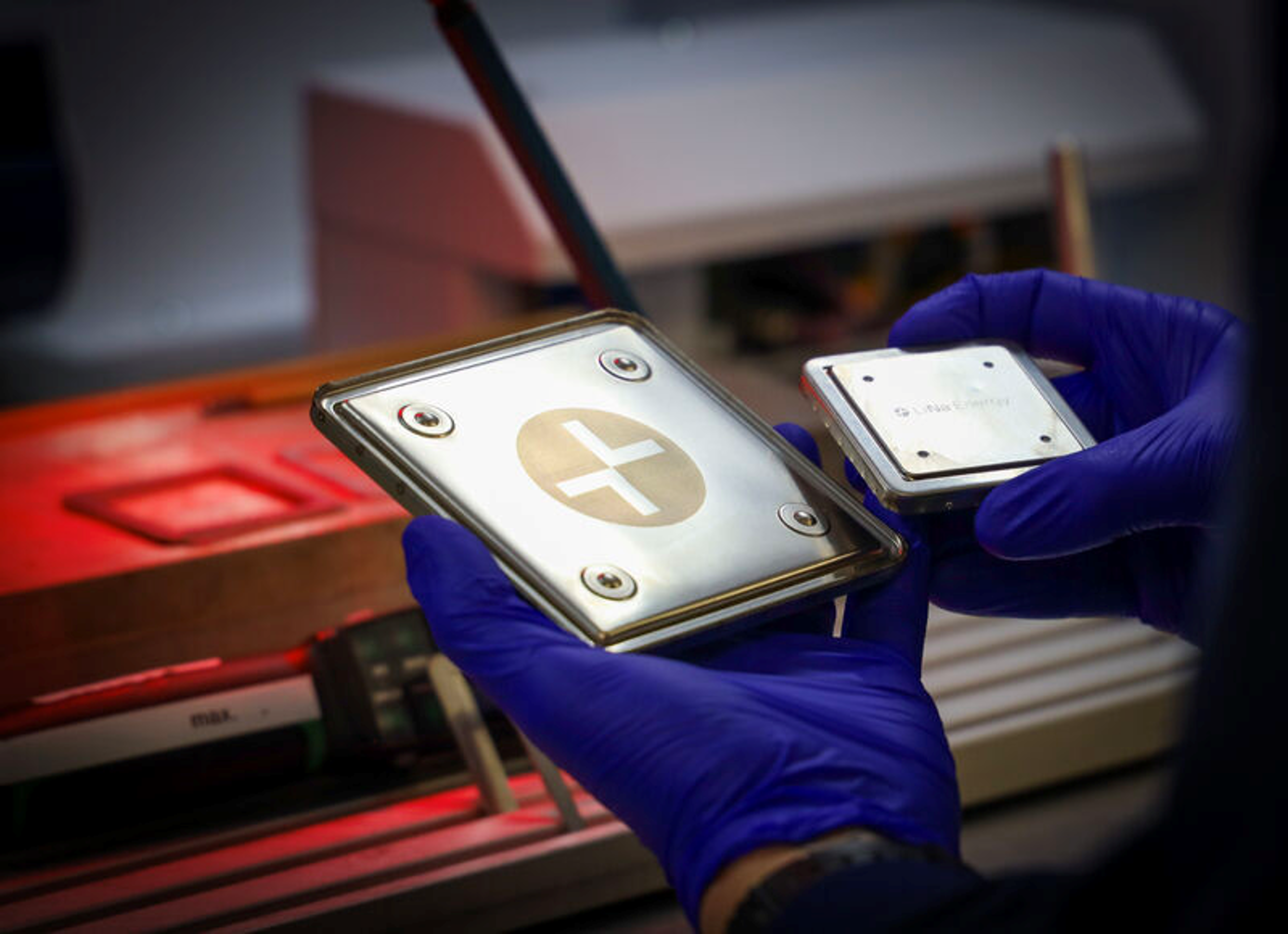
- Solid ceramic electrolyte: Unlike conventional batteries with flammable liquid electrolytes, LiNa uses an ultra‑thin solid ceramic electrolyte, improving safety and enabling a planar cell design.
- Sodium‑metal‑chloride chemistry: Cells use sodium and metal chloride chemistry without cobalt or lithium — drastically reducing reliance on scarce materials and simplifying supply chains.
- High performance & safety: Solid‑state design removes the risk of thermal runaway and enables inherently safer operation.
- Manufacturability: The technology is designed for mass production, with modules that can be stacked efficiently and integrated with passive thermal insulation for high round‑trip efficiency.
LiNa’s battery systems operate at elevated internal temperatures (~250 °C) using passive insulation instead of liquid cooling, improving performance and reducing system cost.
Location & Facilities
LiNa Energy is headquartered in Lancaster, Lancashire, UK, in a region with strong scientific, manufacturing and engineering heritage.
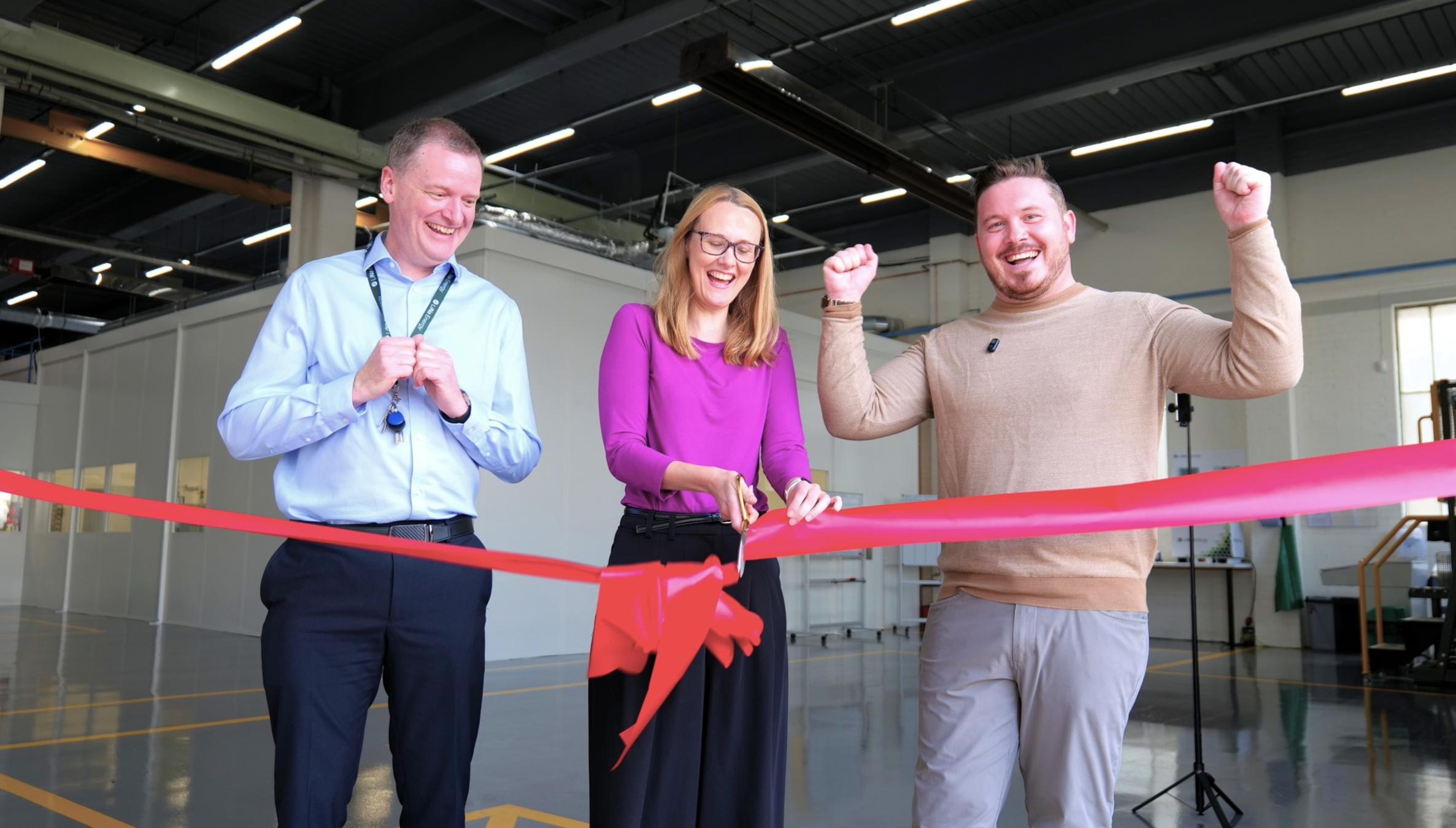
In 2025, the company opened an 8,000 sq ft pilot manufacturing line adjacent to its research laboratories, a critical milestone that brings R&D and production closer together to accelerate commercialisation.
Mission & Vision
Mission:
To accelerate the clean energy transition by delivering innovative, sustainable, and cost‑effective energy storage solutions that scale for global markets.
Vision:
To enable a future in which renewable energy can be stored and deployed reliably, affordably and safely around the world, unlocking 24/7 clean power for communities, industries and energy systems.
LiNa’s focus is especially on stationary energy storage, where cost, reliability and safety are critical to enabling renewable deployments at scale
Growth & Strategic Momentum
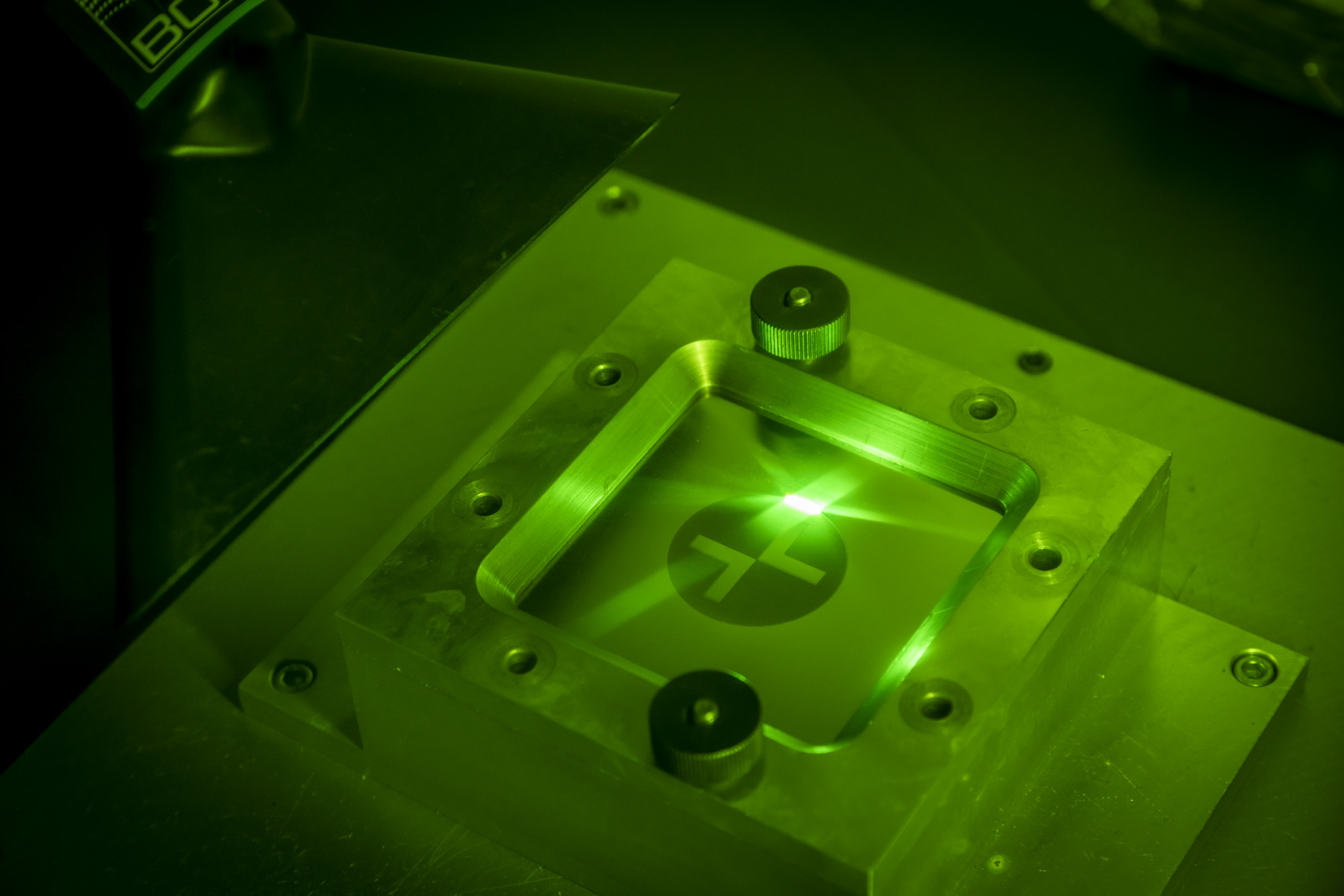
Scaling Manufacturing: With £20 million in funding, including support from Innovate UK’s Future Economy Investment Partnership, LiNa Energy inaugurated its first pilot manufacturing line in North‑West England, designed to scale its next‑generation battery platform for global markets.
This facility will be used to build initial battery systems and expand production capacity in core markets such as India and the Middle East, where solar‑rich conditions and long‑duration storage demand are high.
Funding and Commercialisation: In 2024, LiNa secured £3.5 million in funding, combining equity and a grant to support scaling activities including automated manufacturing and pilot deployments of solid‑state sodium batteries.
LiNa has also begun deploying 10 kWh pilot systems with customers internationally and plans to scale to larger energy storage systems (e.g., 100 kWh) in future production lines.
The Team
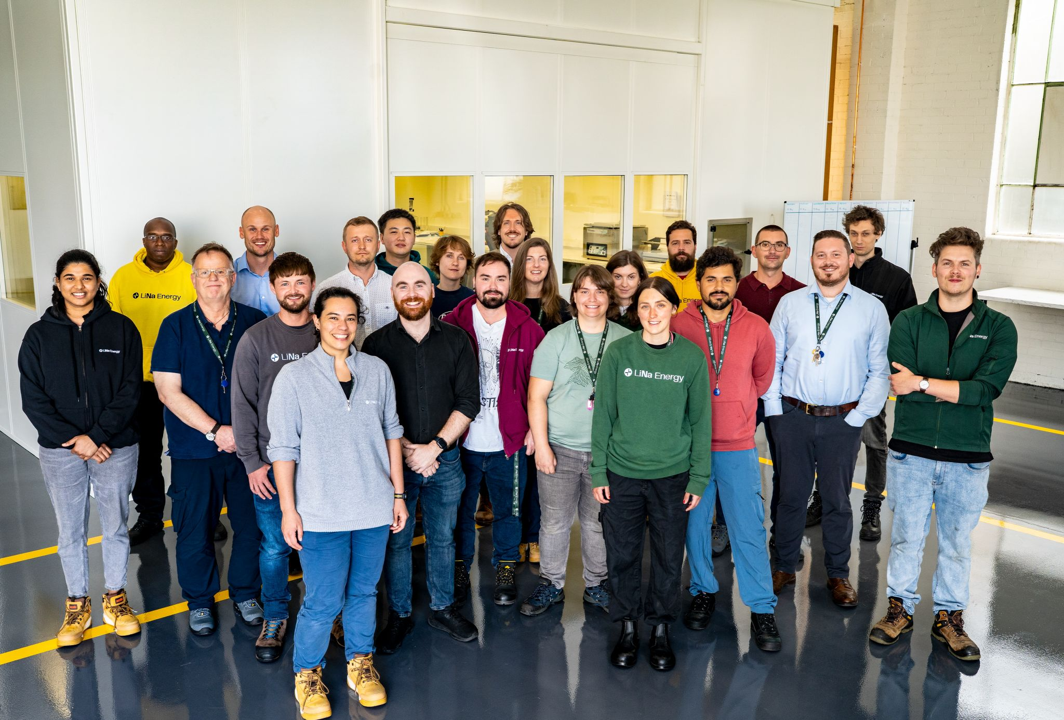
LiNa Energy believes that their people are their greatest asset. The diverse team comprises passionate individuals who are experts in their fields and share a common goal of driving innovation and making a positive impact on the world. They foster a collaborative and inclusive culture that encourages creativity, continuous learning, and professional growth. It's perfect if you're looking to join a team where your ideas and contributions matter.
Culture & Environment
LiNa positions itself as a science and engineering‑led business, bringing together experts in materials science, electrochemistry and energy systems. The company fosters a collaborative environment where multidisciplinary teams work together to solve complex technical challenges and advance scalable solutions.
This culture is ideal for candidates who enjoy technical depth, innovation, hands‑on problem solving, and working at the intersection of research and commercialisation, with global impact.
Benefits Package
- Competitive Salary and Share Options
- Medical Insurance coverage and Life Protection plan
- 8% combined pension (3% Employer + 5% Personal)
- Flexible work schedules and remote work opportunities (role dependent)
- 25 Days holiday + Bank Holidays
- Professional development and training
- Social events and team-building activities
Summary... Why LiNa Energy?
LiNa Energy offers a rare opportunity to join a company developing commercially viable solid‑state sodium batteries, a technology that could reshape energy storage cost curves and unlock long‑duration renewable power deployment worldwide. With real scaling activity, global deployments and mission‑driven focus on sustainability and safety, LiNa is a compelling home for engineers, scientists and energy innovators seeking to make a measurable difference in the transition to clean energy.
