

scroll
EVera Recruitment Information Pack for Bristol Superlight
About Bristol Superlight
Bristol Superlight is a UK-based manufacturer of a hybrid-electric commercial vehicle platform that represents an entirely new category of logistics transport. Our clean-sheet approach borrows from aerospace design principles to transform middle-mile logistics with the world’s first all-digital commercial truck. Founded in 2016 by a team of highly experienced automotive and electrification specialists, our leadership brings together nearly three decades of work delivering everything from low-volume supercars to high-volume passenger and industrial vehicles across major OEMs and Tier 1 suppliers.
That collective expertise is now being applied to a single, focused challenge: reinventing middle-mile logistics.
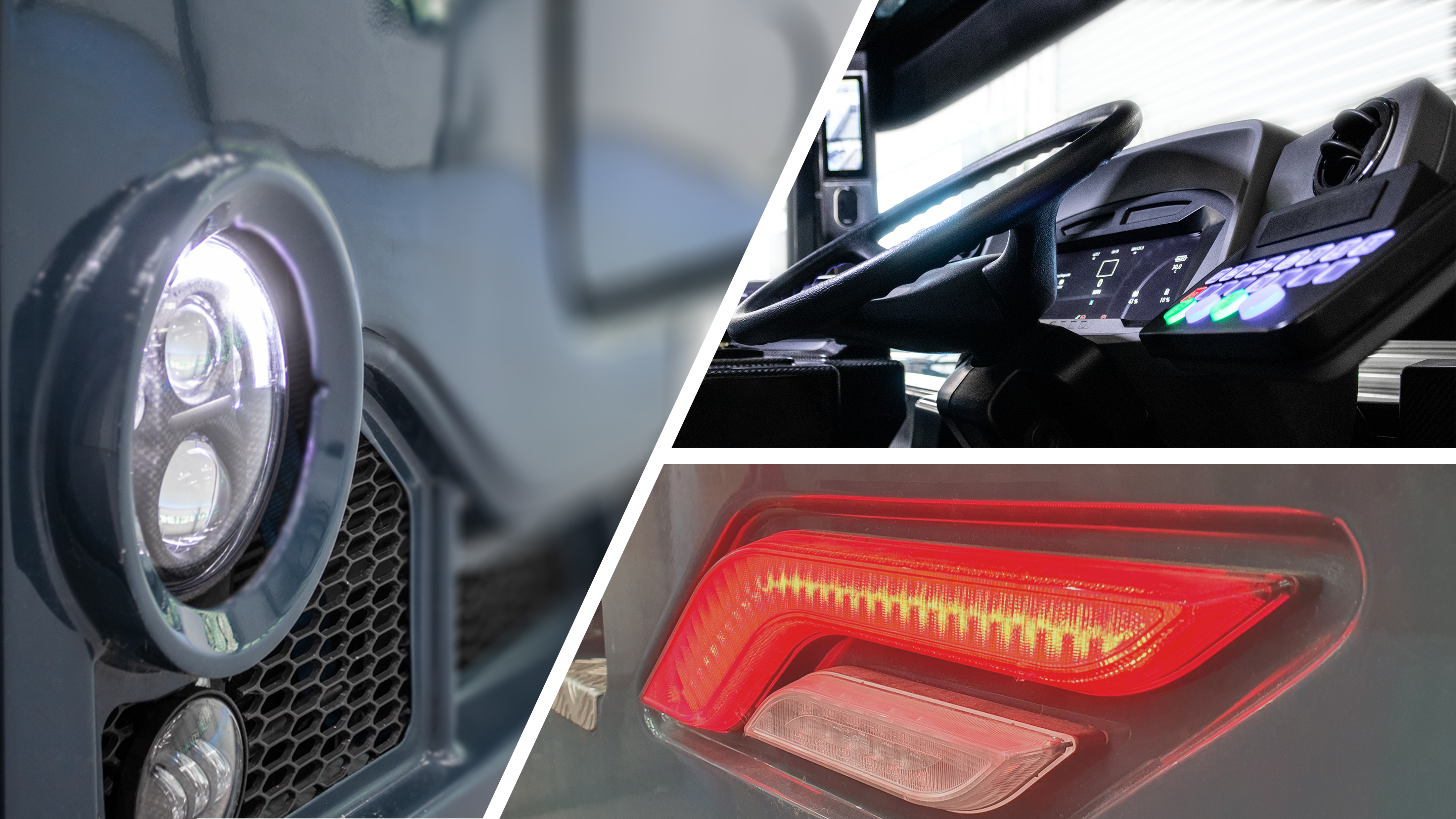
Disrupting the Cost Structure of Transport
Logistics is the invisible foundation of commerce and modern life, yet it has been stuck in a cycle of legacy designs for decades. Bristol Superlight was founded to break that cycle. We started this journey with the belief that by reinventing the vehicle from the ground up with modern design, electrification, and software, we could fundamentally disrupt the cost structure of moving goods.
And that is exactly what we have done - substantially decreased the cost of the middle mile, turning economic savings into a powerful engine for environmental change. This isn’t just about electrifying trucks; it’s about building a platform that decreases the cost of distance and fundamentally changes the future of commercial transport.
At Bristol Superlight, we’ve developed a proprietary and proven logistics platform, tested by the most demanding customers in the toughest environments. Our vehicle is lightweight and sophisticated, utilizing highly advanced controls and delivering meaningful zero-emissions performance in urban areas while integrating seamlessly into existing logistics operations.
This isn't a concept - it's a real vehicle which has covered thousands of kilometres in revenue service, outperforming both diesel and other electric trucks by significantly reducing capital and operational costs per pallet/km delivered. We have chosen not to electrify a truck, but to redefine it - and we have the evidence to back it up. It is the culmination of years of work and effort, and this is just the start."
- Noamaan Siddiqi, CEO & CTO of Bristol Superlight
The Technology & The Truck
Bristol Superlight has reimagined the commercial vehicle from first principles, seamlessly integrating electrical, mechanical, and software engineering into one platform. The result is a vehicle that delivers meaningful, real-world improvements, including significantly higher cargo capacity, drastically lower energy costs, and a hybrid-electric system that completely avoids range limitations.
Importantly, this isn’t theoretical—the truck is already in discreet commercial use with major global brands and backed by a committed syndicate of blue-chip institutional investors.
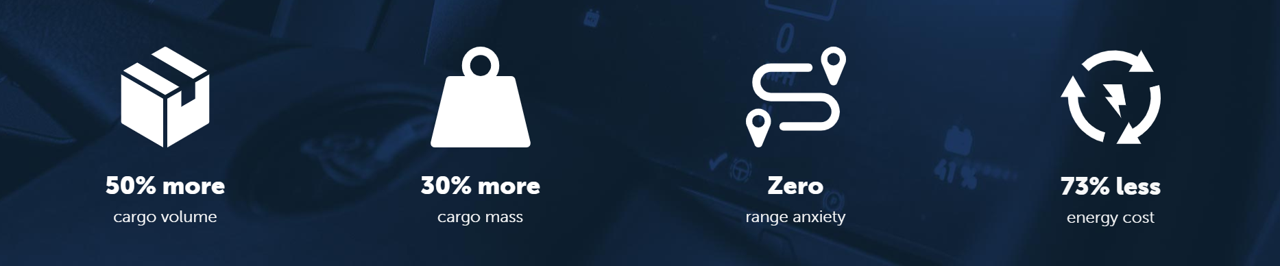
The platform's proprietary innovations deliver unprecedented unit economics:
- 50% more cargo volume
- 30% more payload capacity
- Elimination of range anxiety through hybrid-electric option
- 73% reduction in energy costs
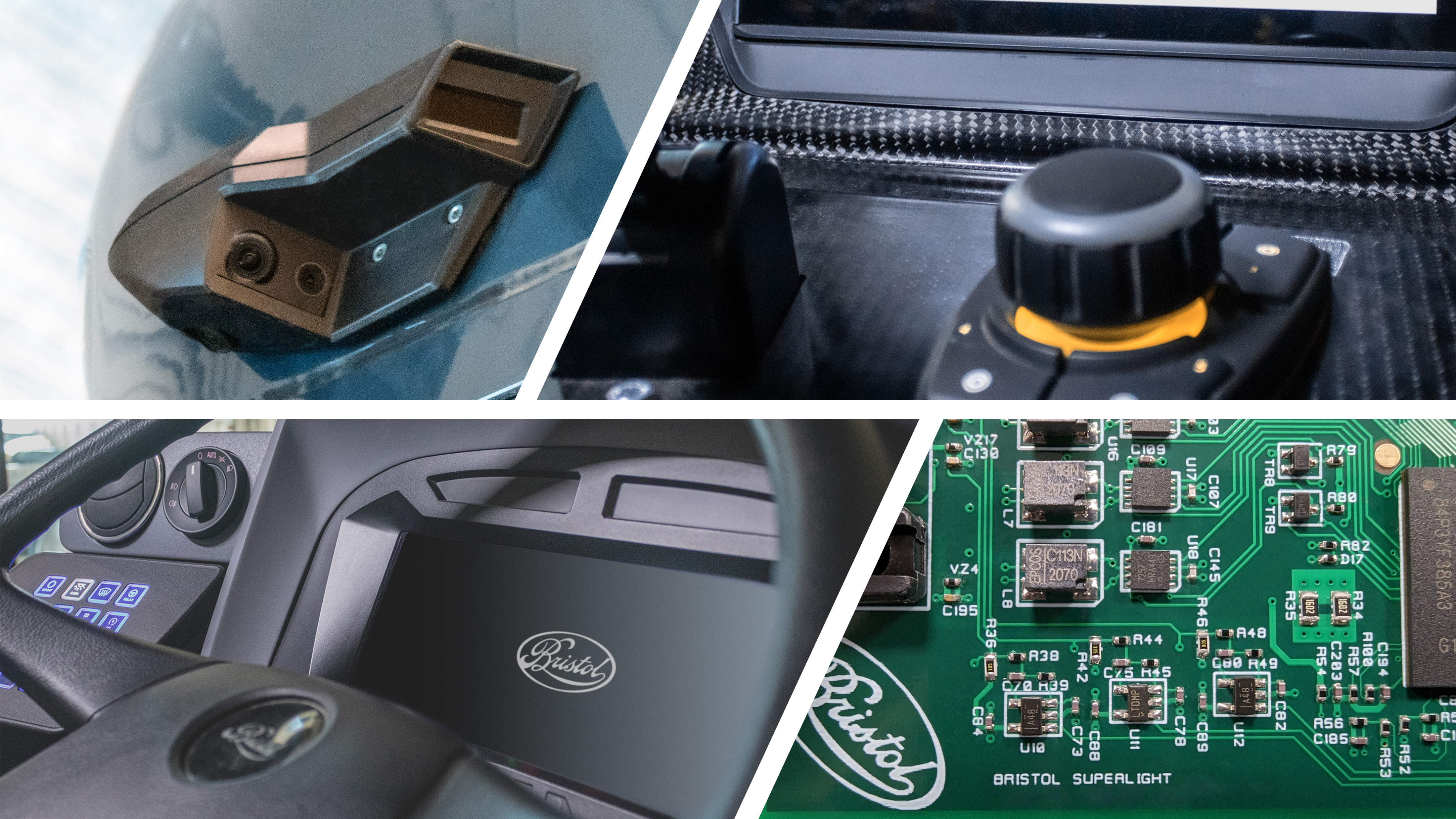
Modernising the Middle Mile
While the majority of legacy truck manufacturers are settling for a mere evolution to electric - swapping internal combustion engines for electric powertrains while keeping the vehicle itself largely unchanged - Bristol Superlight is driving a transformation in platform design and cost structure. We have completely reinvented the commercial vehicle by eliminating the archaic "Ox & Cart" ladder frame and mechanical components and replacing it with a proprietary "Self-Propelled Electric Trailer" all-digital architecture.
Our core technological differentiators include:
Advanced Software-Defined Digital Architecture: We have built a software-centric digital backbone featuring all-wheel drive, proprietary software controls, integrated autonomous safety and a fully "by wire" architecture.
Aerospace Design Principles: By discarding heavy steel ladder chassis and traditional mechanical components in favor of intelligent weight engineering and modern electrical architectures, we maximize cargo volume and operational efficiency.
21st-Century Material Selection: We utilize advanced materials, such as modern composites and aluminum, which drastically reduces weight and enhances performance compared to traditional heavy steel frames and cargo boxes.
21st-Century Superlight Assembly: The Superlight Production System (SPS) is a vertically integrated, capital-light assembly approach. By utilizing common components built into a unified platform architecture, we can seamlessly produce multiple vehicle variants from a single assembly facility
And most importantly, we have done all the above while keeping the cost of the vehicle competitive with legacy trucks.
Location
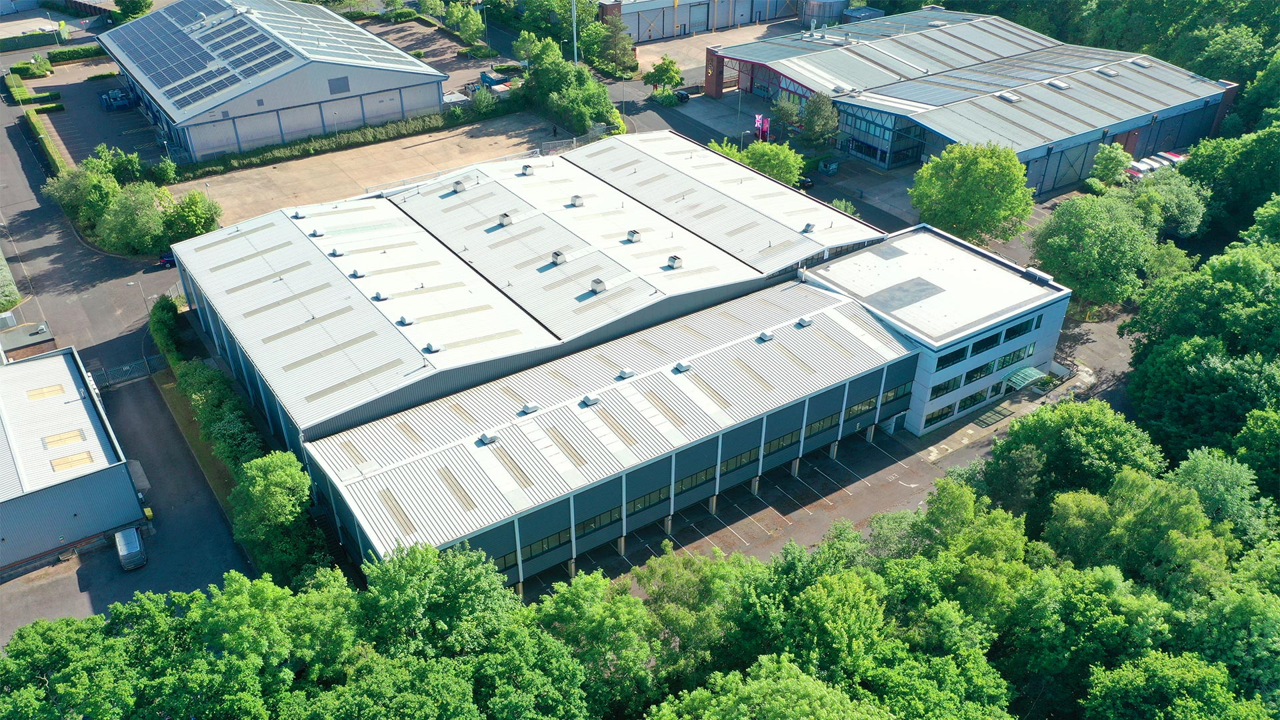
Wilkinson House, Blackbushe Business Park, Yateley GU46 6GE
At the beginning of 2023, Bristol Superlight moved to a new 60,000-square-foot operations and assembly facility in Yateley, Hampshire. The site is equipped to operate BSL’s Superlight Production System (SPS), which bypasses the capital-intensive steel stamping and traditional welding operations required in legacy truck manufacturing. This flexible platform architecture allows multiple vehicle variants to be built on the same line, seamlessly integrating with Google's Manufacturing Data Engine to leverage AI and machine learning to monitor real-time sensor data and continuously optimize production quality.
Why Join Bristol Superlight
Bristol Superlight offers something quite rare.
It is a small, highly experienced team working on a genuinely new product, not an iteration of existing technology. The company is tackling a real-world problem at scale, with an existing and proven solution that combines engineering innovation with clear commercial value that has attracted the support of some of the most respected institutional investors in the world.
For candidates, this means the opportunity to:
- Work on a clean-sheet vehicle platform rather than legacy systems
- Contribute to technology that is already being used in real-world applications
- Be part of a growing and financially strong business at a key stage of its development
- Have a visible and meaningful impact on both the company and the product
- Help shape a solution that will influence the future of commercial transport
This is an environment where individuals are not just another part of a large organisation – opinions matter and contributions are recognised. The team is small enough for your work to have a meaningful influence on the business, but ambitious enough for that work to have worldwide impact.
Employee Benefits
- Annual leave of 25 days plus bank holidays
- Contributory pension scheme (5% employee & 3% employer contributions)
- While we manufacture a new category of commercial truck, at heart we are a technology company and all full-time employees participate in company stock options.
Summary
By engineering a commercial vehicle from first principles, Bristol Superlight has broken the historical compromise between capacity, efficiency, and cost. The strategy from day one has been simple:
- Profound cost savings drives fleet adoption.
- Scaled adoption drives environmental transformation
What initially starts as a unqiue advantage for middle-mile transportation becomes an industry-wide shift… That benefits all.
We invite you to join us.
