
scroll
EVera Recruitment Information Pack for TaiSan
About TaiSan
TaiSan is a UK-based battery technology company developing next-generation sodium-ion energy storage solutions for electric mobility and other applications. The company focuses on proprietary polymer electrolyte materials and quasi-solid-state battery designs intended to deliver safer, lighter, and more cost-effective alternatives to conventional lithium-ion batteries. Backed by investors and innovation grants, TaiSan collaborates with industry and research partners to accelerate commercialisation while reducing reliance on scarce raw materials.
What TaiSan Does
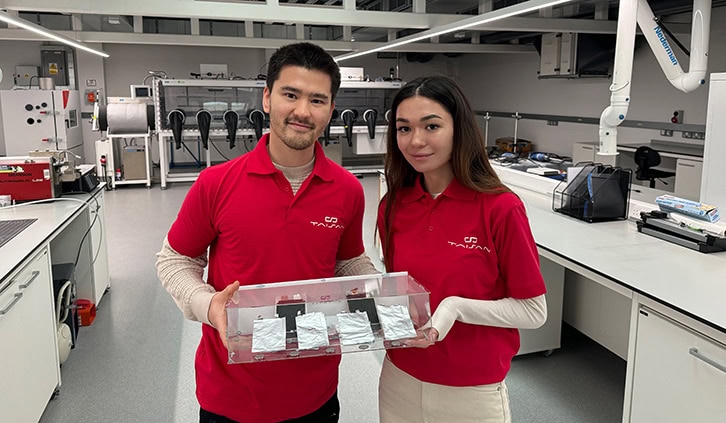
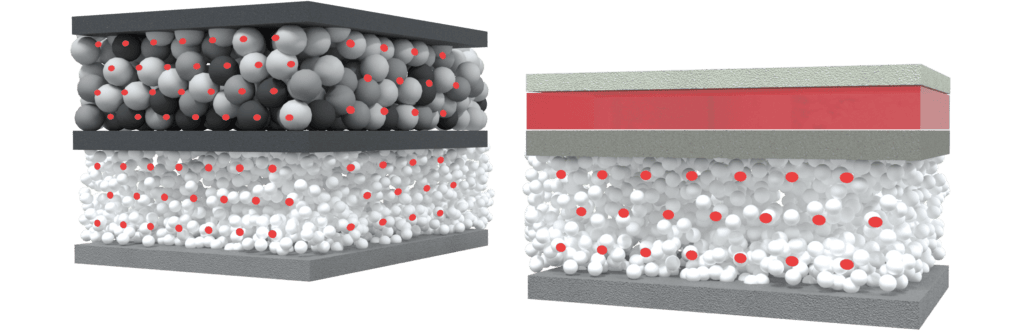
TaiSan's work sits at the intersection of advanced materials science, electrochemistry, and manufacturing scale-up. The company develops and commercialises a proprietary quasi-solid-state sodium-ion battery technology, targeting the limitations that have historically held sodium batteries back: energy density, safety, and cost.
Key technology properties:
- Non-flammable electrolyte - fire-retardant chemistry eliminates a core safety risk
- Stable electrode interface - excellent compatibility with both anode and cathode
- High ionic conductivity - enabling fast charging performance
- Best-in-class energy density for a sodium platform - compact and lightweight
- Drop-in compatible - works within existing gigafactory cell manufacturing lines
On cost, the case is stark. Sodium carbonate (TaiSan's primary raw material) costs around £200 per tonne. Lithium carbonate costs around £30,000 per tonne. TaiSan's technology removes the dependency on lithium, nickel, copper, and cobalt entirely.
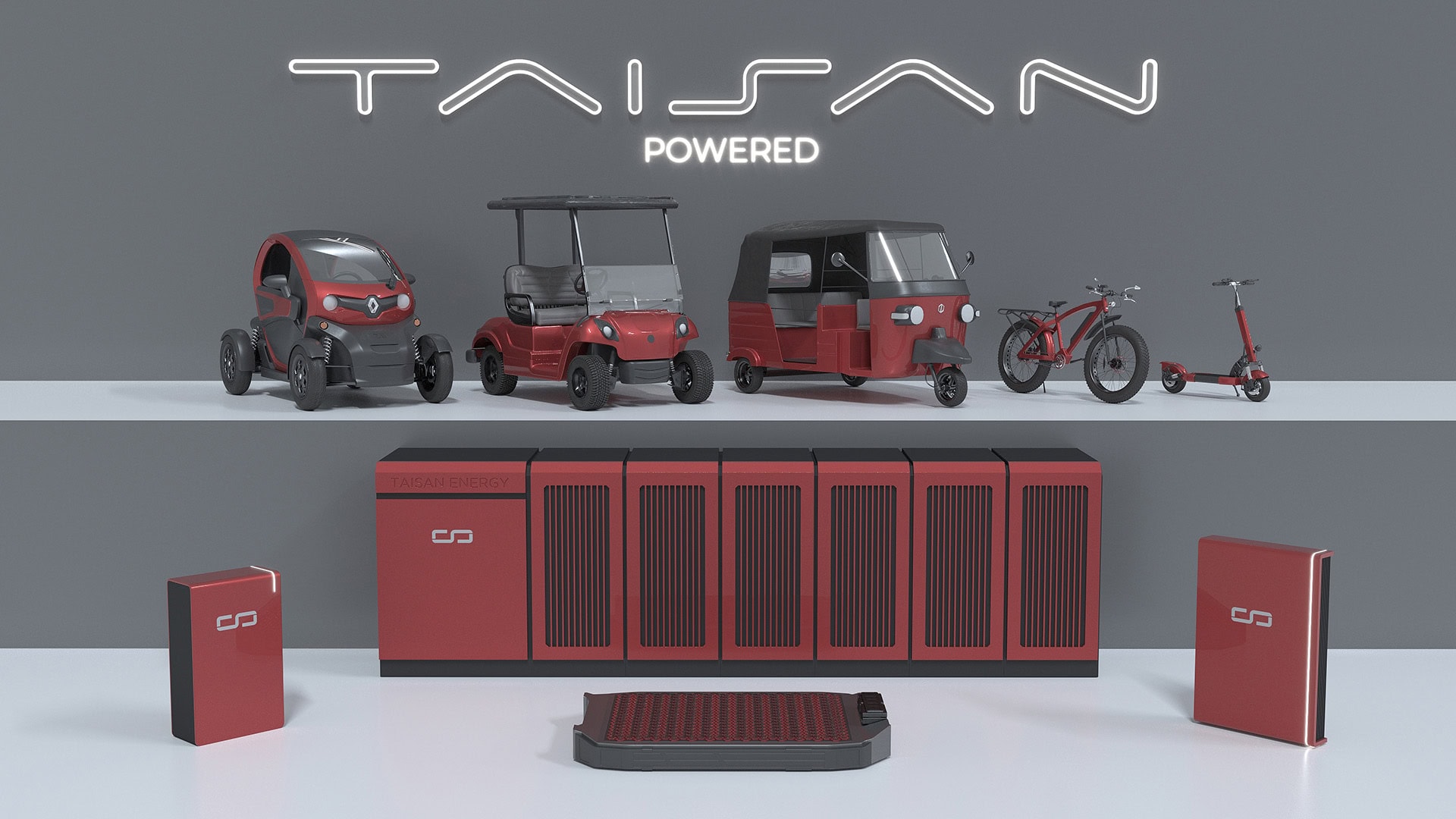
Target applications span micromobility, automotive OEMs, and stationary energy storage. The DRIVE35-funded project adds a manufacturing automation workstream, developing production systems deployable across battery manufacturing facilities.
Company Growth & Opportunities
Sodium battery technology is one of the most watched spaces in energy storage. As OEMs and industrial operators seek alternatives to lithium, and as gigafactories look for drop-in solutions that reduce cost and exposure to critical mineral supply chains, TaiSan's positioning is well-timed.
TaiSan has progressed from inception to government-backed scale-up in under four years. They have multiple applied patents on proprietary electrolytes and sodium metal anodes, their own Cambridge-based battery lab, and have attracted investment from venture partners, grant support from Innovate UK, the Faraday Institution, APC, the Department for Transport, and the Royal Academy of Engineering.
In April 2026, TaiSan were awarded £1m of DRIVE35 funding, which has enabled them to move from R&D and prototyping into automated production systems. The team is growing, and both engineers and scientists joining at this stage will have a significant impact on the company's scale-up journey.
Company Culture
TaiSan has a culture of innovation and collaboration, exactly as you would expect in an active 'start-up' environment. Engineers are encouraged to contribute actively to the development of pioneering solutions that support the global transition to net-zero emissions. The company values a proactive and adaptable approach to problem-solving, ensuring that both customers and employees are engaged in a forward-thinking, purpose-driven environment. All with the goal of building a safer and more sustainable future.
Company Location
TaiSan is headquartered in Cambridge, UK, which is one of the world's foremost deep tech and life sciences clusters, and an increasingly important hub for advanced battery research. The company operates its own Cambridge Battery Lab, where prototype development and cell assembly work take place.
Cambridge's ecosystem brings practical advantages: proximity to world-class academic institutions, a dense network of deep tech investors, and a talent base with strong materials science and electrochemistry credentials. For engineers and scientists wanting to work at the frontier of battery technology, Cambridge is one of the few places in the UK where that is genuinely possible.

Employee Benefits
- Company pension contributions
- 20 days annual leave + public Bank Holidays
- Statutory sick pay
- Parental leave
Why Work at TaiSan
- Work on a technology that matters - Sodium batteries are one of the most consequential areas in energy storage. TaiSan is at the frontier, not the periphery.
- Drop-in innovation with real commercial traction - Miltiple MoUs signed, government-backed funding secured, and a technology that works within existing gigafactory lines. This is past proof-of-concept.
- Join at the inflection point - The DRIVE35 programme marked TaiSan's move from R&D into manufacturing scale-up. Engineers joining now will shape that transition.
